Plan a First Flat Knitting Project With a Clear Finish
Choose a manageable rectangle, prepare a sample and set a practical plan for rows, edges and finishing.
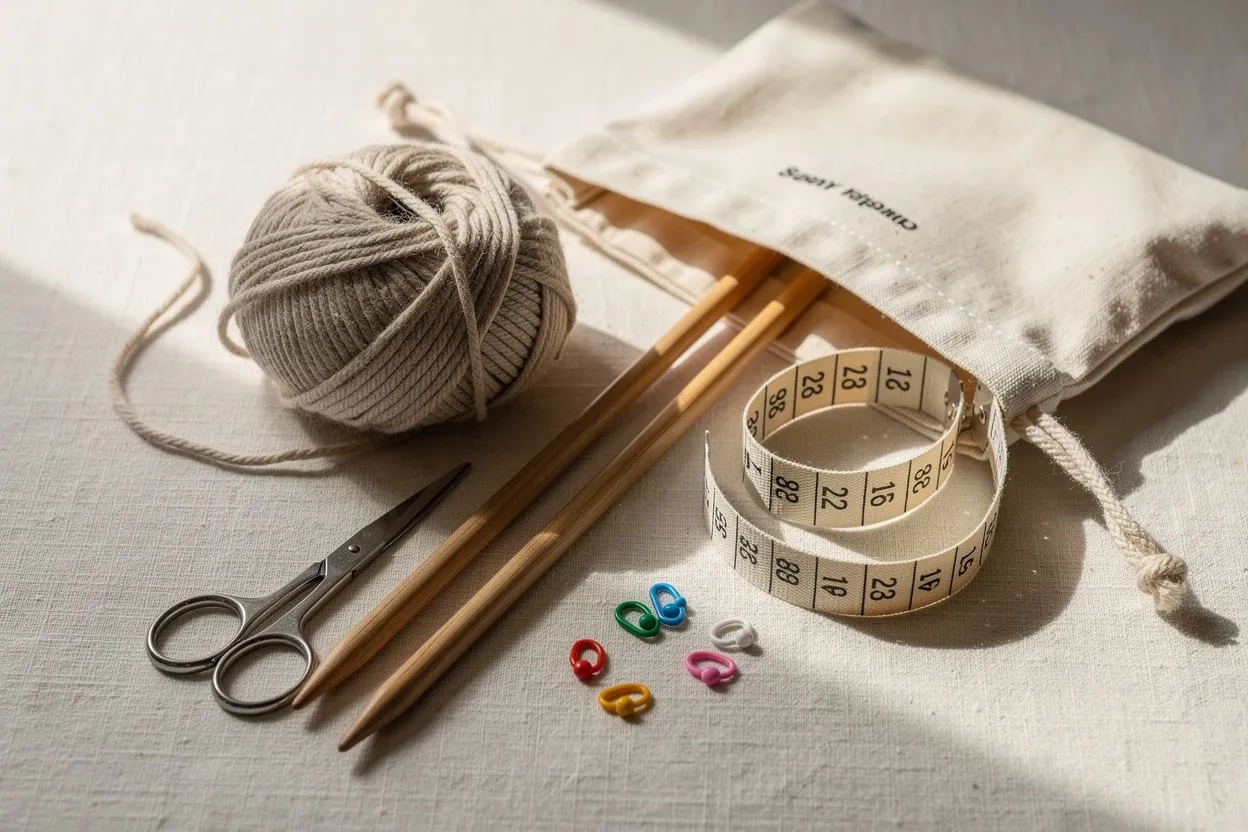
A first flat project is easier to finish when its shape and stopping point are clear. A small rectangle can teach you how the fabric behaves without introducing every technique at once. Choose instructions appropriate to your experience, gather the specified materials and define what a finished piece should look like before you cast on. Simple does not mean careless; it means keeping the decisions manageable.
Choose a project you can describe simply
Write down the intended width, length, stitch pattern and purpose. A practice square, small cloth or simple scarf can have very different material and care requirements, so use a pattern that suits the intended use. Avoid choosing a project only because the first few rows look easy if its finishing requires techniques you are not ready to learn.
Read all the instructions once. Identify the cast-on, main section, edges and bind-off. Look up unfamiliar terms before beginning rather than discovering them near the end. If the pattern includes a stitch multiple, keep that requirement in the sizing notes.
Make a sample that answers a question
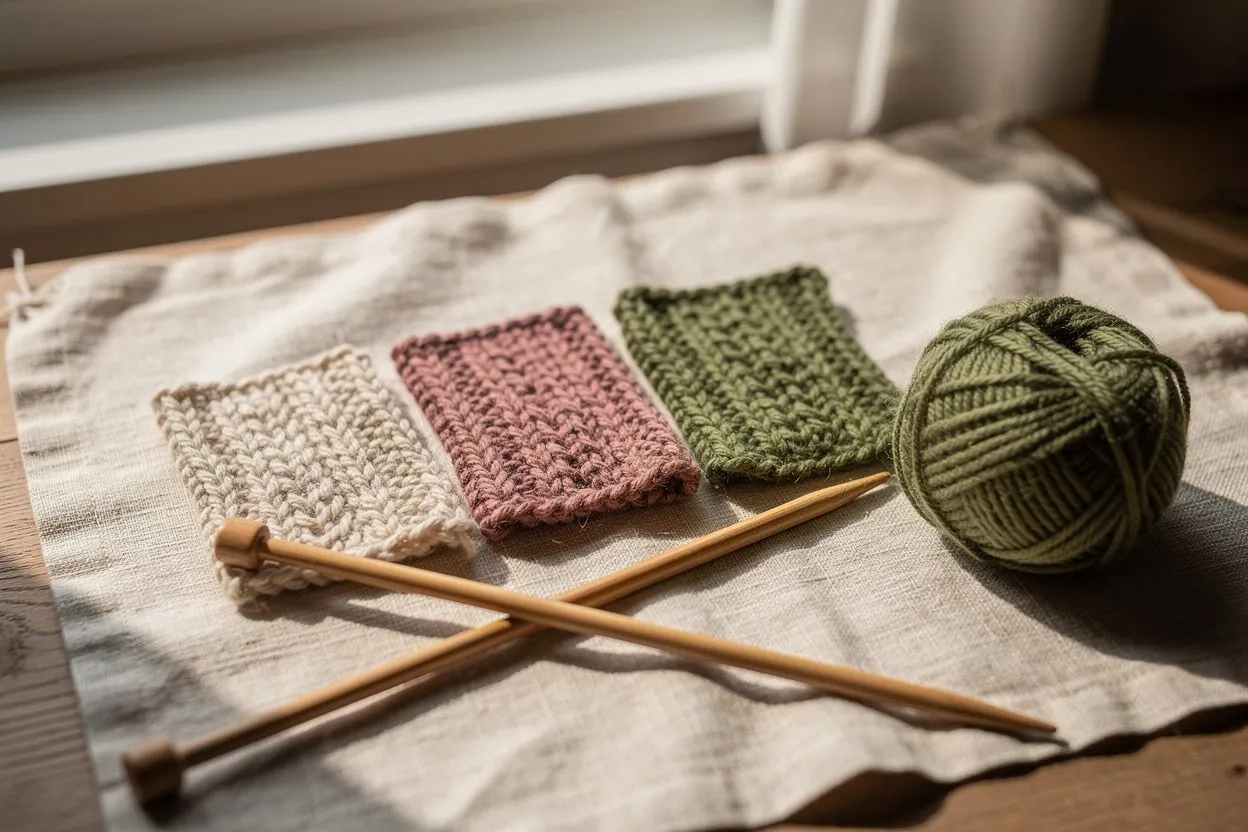
Use the planned yarn, needles and stitch pattern. The sample should help you judge the fabric and measure gauge, not merely prove that you can make a few stitches. Follow the yarn’s care instructions before taking final measurements when that is relevant to the finished item.
Measure the central area without stretching it. If the texture or firmness is unsuitable, change the setup and sample again before investing time in the full piece. A needle change can affect the fabric and dimensions, so it is better to make that decision early.
Translate the dimensions carefully
For a simple rectangle, the gauge calculator can translate measured stitches over a known width into an approximate stitch count for a target width. Check the result against the pattern’s stitch multiple and edge requirements. Arithmetic alone does not know whether a lace or rib repeat needs a particular total.
If the measured gauge is 20 stitches over 10 centimetres, a 15 centimetre width corresponds to 30 stitches before any pattern-specific adjustment. That is a mathematical example, not a complete pattern. Write down which adjustments you make and why.
Set a useful progress routine
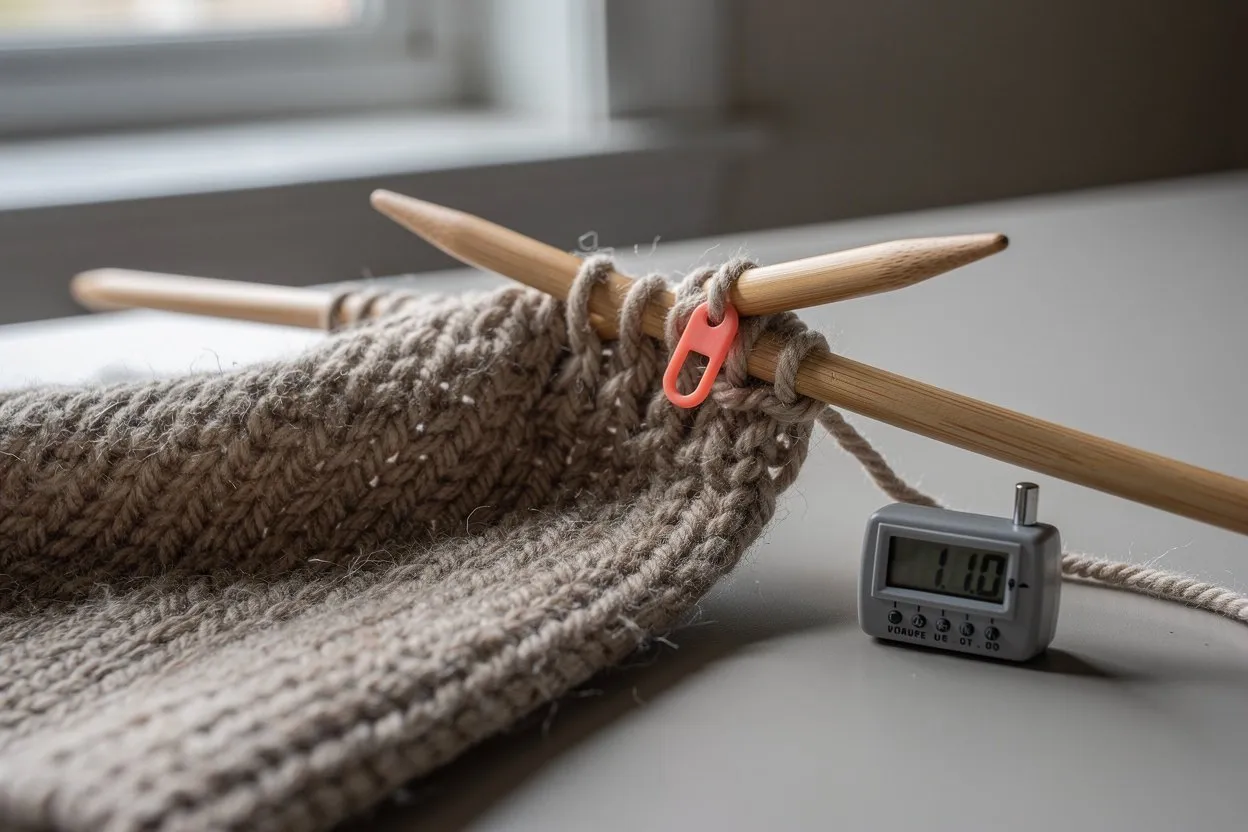
Create a named entry in the row counter and count completed rows consistently. If the pattern says to work to a measured length, use the counter as a record while still checking the fabric length. A fixed row total may not produce the same length if your tension changes.
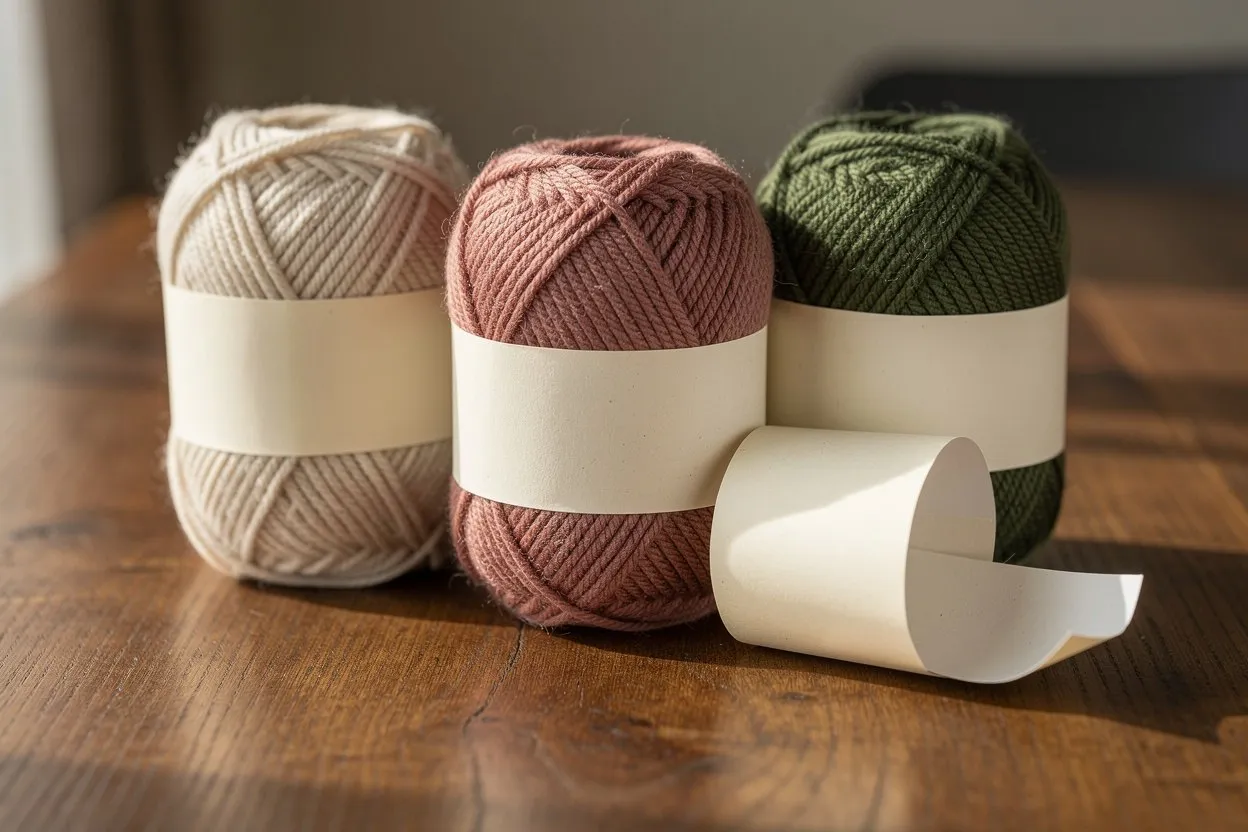
Plan time for binding off, weaving in ends and any instructed washing or shaping. Keep the yarn label so the finished piece can be cared for correctly. At the end, record the actual dimensions and what you would change next time. Completing a small, well-understood project gives you more useful information than abandoning a large one whose size and finish were never clearly defined.