Manage Two Knitting Projects Without Mixing Their Progress
Separate materials, counters and next-step notes so switching projects does not erase your place.
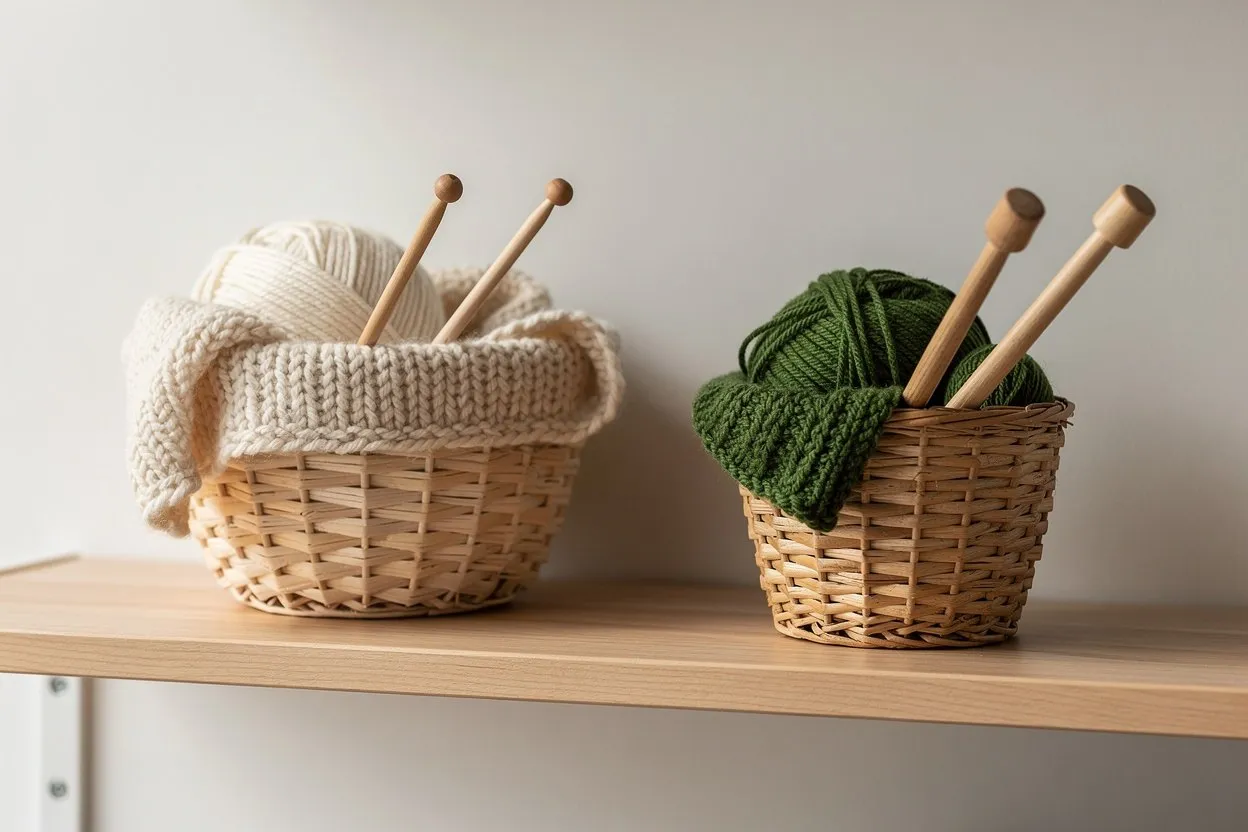
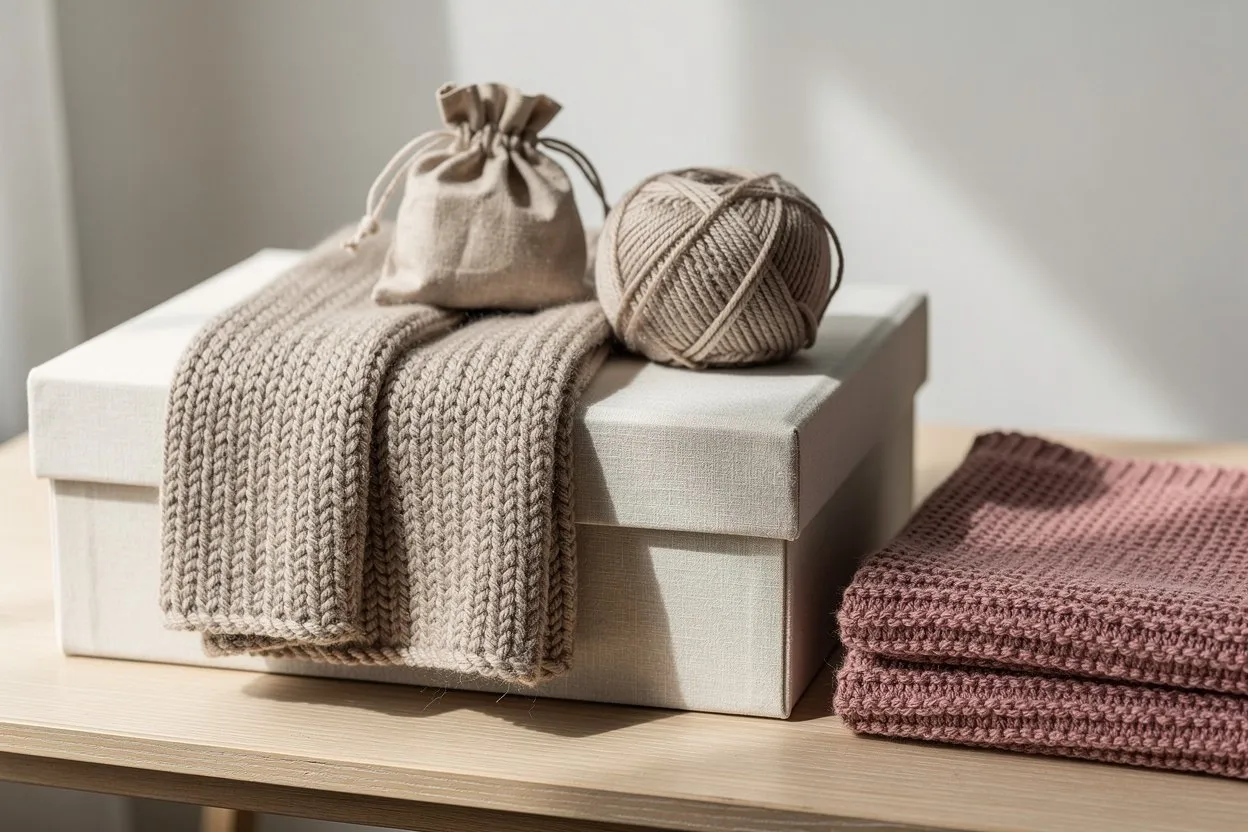
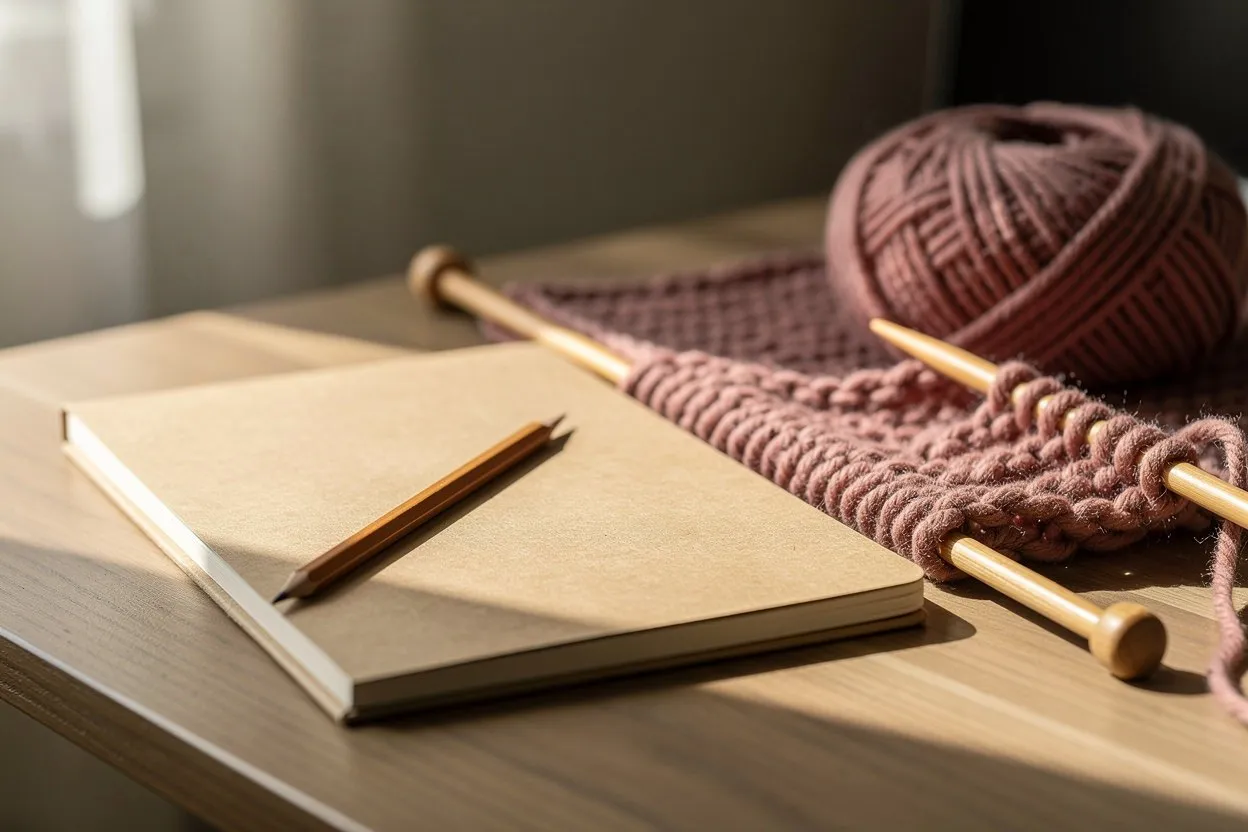
Working on more than one knitting project can be enjoyable when each has a clear identity. The difficulty is usually not the number of projects but the assumptions carried from one to another: a counter value, a needle size or a half-remembered next step. Give each project its own small record and storage arrangement so switching does not require reconstructing the work every time.
Give each project a distinct name
Use a name that tells you what the piece is, not merely “project one.” Include a useful distinguishing detail such as the intended item, color or pattern section. Two similar projects need especially clear labels if you might work on both within the same week.
Create separate entries in the row counter and check the selected name before advancing a count. A correct number attached to the wrong project is still misleading. At the start of a session, compare the saved note with the fabric before continuing automatically.
Keep materials physically distinguishable
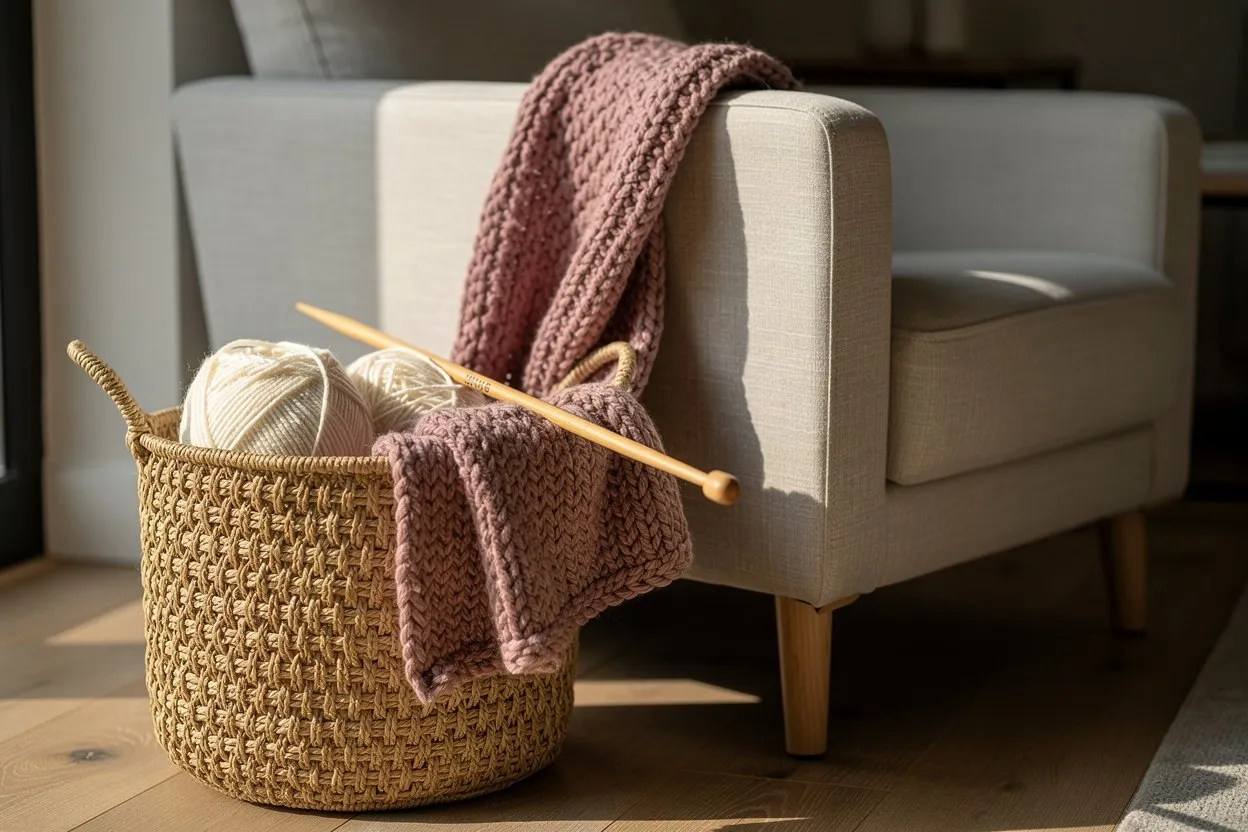
Store each project with its own yarn label, pattern reference and small accessories where practical. If you share tools, record the actual needle size before moving them. Similar-looking needles or yarns should not be identified only by memory, especially if a project remains untouched for a while.
Avoid removing a tool in a way that leaves live stitches unsecured. Use the technique and appropriate equipment recommended for holding the work. Keep small or sharp accessories stored safely rather than loose inside a bag that will be opened quickly.
Use the same stopping routine for both
At the end of each session, record the last completed row or round and the next instruction. If the count resets at sections, include the section name. A note that says “12 completed in border” is easier to interpret than an unexplained 12 beside a partly finished piece.
Where possible, stop at a clear pattern boundary. If you cannot, write precisely where you stopped and mark the work appropriately. Do not rely on remembering that one project counts at the beginning of a row while the other counts at the end; choose a consistent convention unless a pattern requires something else.
Review before changing the active project
Take a moment to save the current progress and close its notes before opening the other project. The gauge calculator can support separate sizing calculations, but keep each result associated with its own yarn and sample. A gauge measurement from one fabric should not silently become the input for another.
Remember that local records are tied to the current browser or app storage. If you switch devices, do not assume the counters will synchronize. Keep a separate essential note for long-running work. Periodically check whether both projects still have a clear next action. A project that has stalled because of an unanswered question needs that question recorded, not another unexplained counter value.