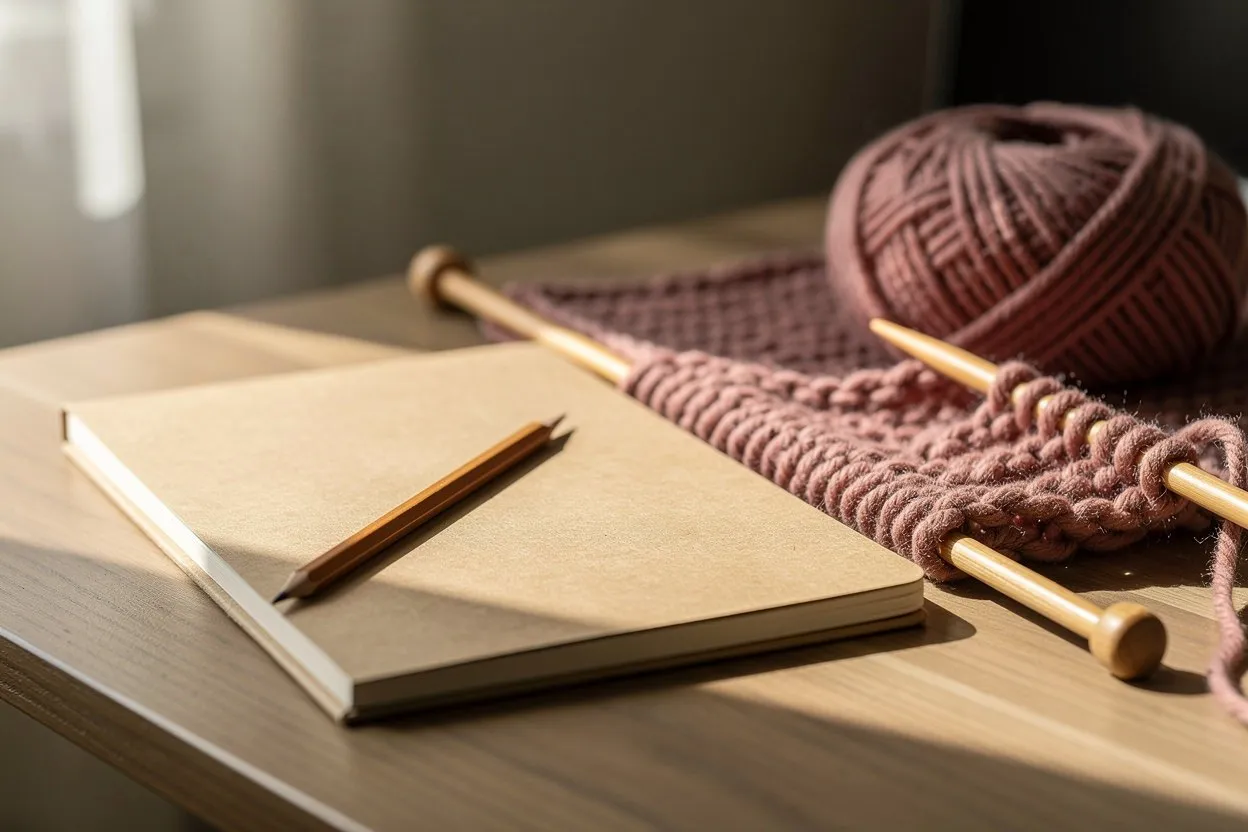
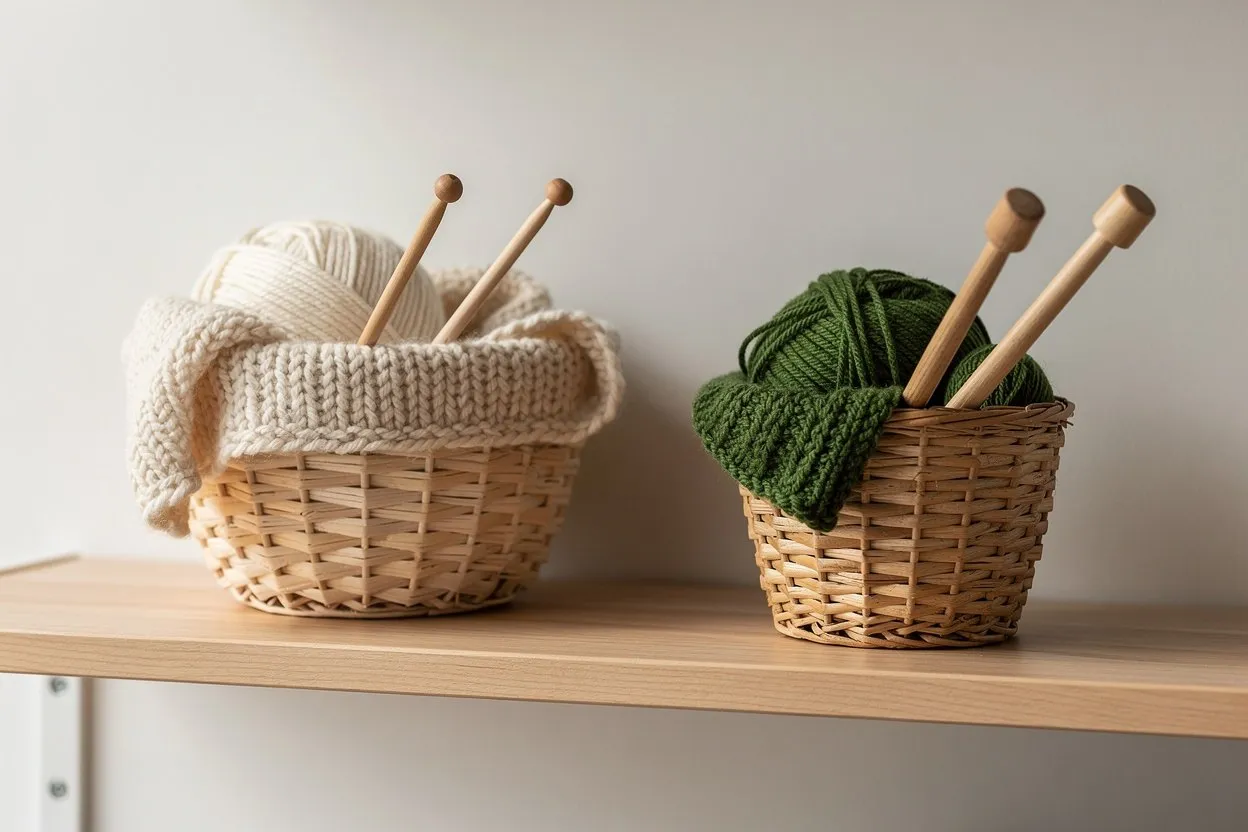
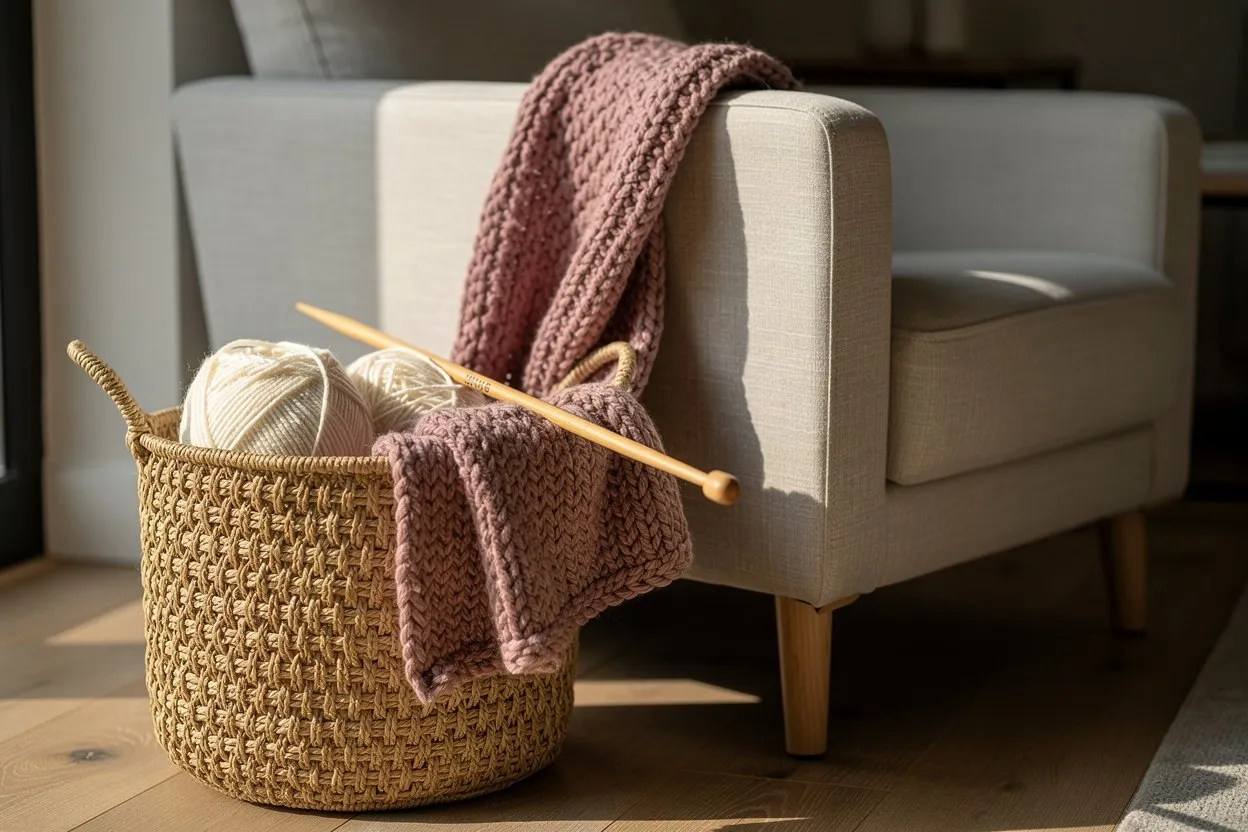
Finish and Store a Knitting Project With Useful Records
Plan the final steps, follow yarn care instructions and keep the details needed for future use or repairs.
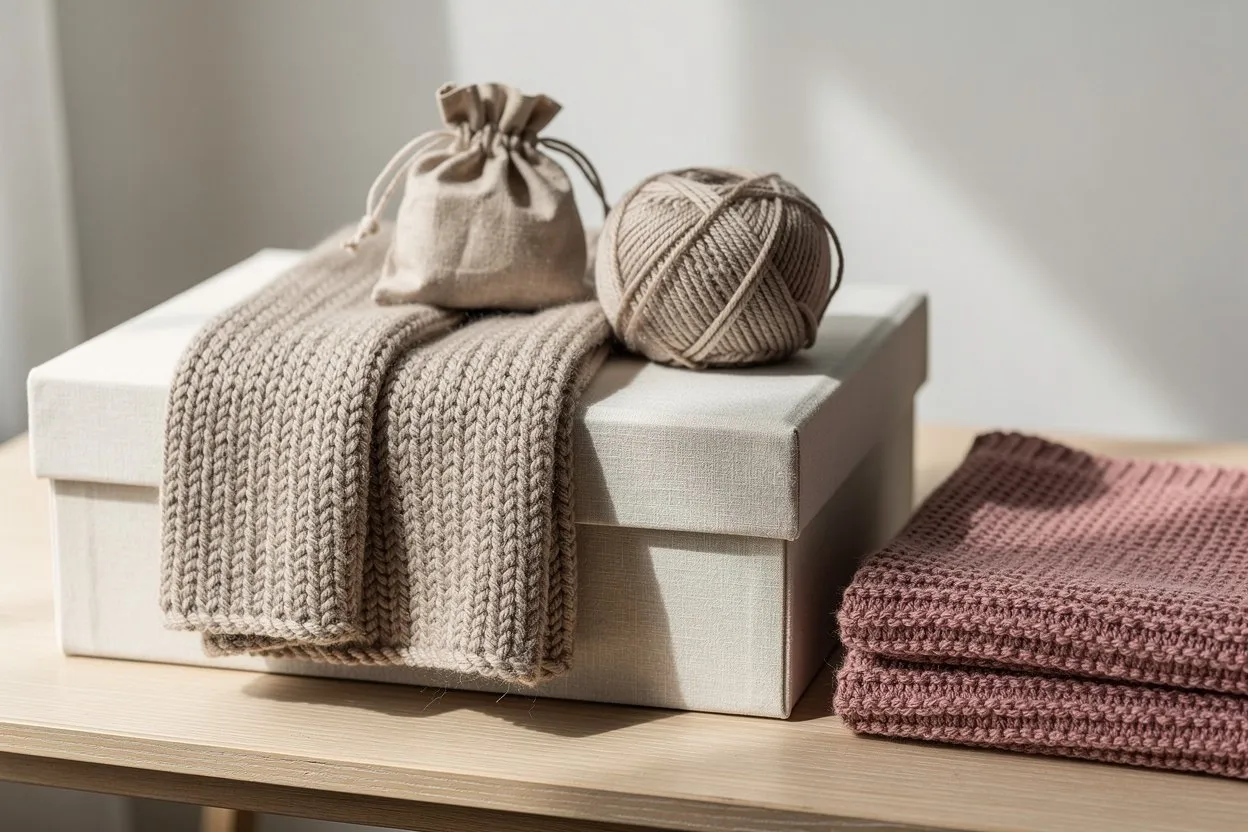
The last knitted row is not always the end of a project. Binding off, securing ends, assembling pieces and following the recommended finishing treatment can all affect the result. Plan those steps while the instructions and materials are still together. Then keep a short final record so the finished item can be cared for and any future repair begins with useful information.
Follow the pattern through the final section
Read the bind-off and finishing instructions before starting them. The method may matter to the edge’s appearance or flexibility. If the project has multiple pieces, check the assembly sequence and match the required reference points rather than joining by eye alone.
Use appropriate tools and a method suited to the yarn and construction. Keep yarn ends accessible until the relevant finishing step is complete. If an unfamiliar technique is required, practice on a sample or seek a reliable demonstration before applying it to the finished piece.
Treat the fabric according to its materials
Follow the yarn’s care label and the pattern’s finishing guidance. Different fibres and constructions can need different handling, so do not assume that a process used for one project suits another. Let the piece dry as instructed before judging its final dimensions or putting it into storage.
Avoid forcing the fabric to a target size that the materials and pattern do not support. Finishing can influence the fabric, but it is not a universal solution for a substantial sizing error. If the result differs from the plan, record the observation and seek appropriate guidance for that specific construction.
Record the finished result
Write the final width and length, the actual yarn and needle setup, and any changes you made. If you used the gauge calculator, compare the prediction with the treated finished fabric. This can reveal whether your initial measurement represented the work well.
Mark the project complete in your own notes and preserve the meaningful final count from the row counter if you may make a matching piece later. Do not clear a useful record until you have kept the information you need elsewhere. Local browser or app data is convenient, but it is not a guaranteed permanent archive.
Store the item and the spare material thoughtfully
Make sure the item is clean and dry according to its care instructions before storage. Choose a suitable place and arrangement for its material and shape. Keep any spare yarn clearly labeled with the project and product details, rather than adding an unidentified small ball to a general collection.
If the item is a gift, pass on the care instructions in an understandable form. Keep the pattern source and essential materials information for your own reference. A compact final note is enough: what you made, how it was made, its finished dimensions and how to care for it. Those details turn the project from an abandoned bundle of notes into a completed object you can use, share or reproduce with confidence.